As a dog mom who’s smelled some seriously funky breath in my day (and had more than one sleepless night worrying about my pup’s health), I’m here to dish the dirt on fishy dog breath. If your furry baby’s kisses lately smell like they’ve been rolling around in a tuna can, don’t freak out! Let’s talk through the possible reasons why this is happening—and what you can do to freshen things up. Because let’s face it: no one wants a fishy-face best friend.
Fishy Breath 101: Why Does It Happen? Your dog’s breath isn’t supposed to smell like roses (seriously, who expects that from a creature who eats out of the trash?), but when it takes on a strong fishy odor, it’s usually a sign something’s up. Here are the top 5 reasons your pup’s breath might remind you of a seafood restaurant—and how to fix it, ASAP.
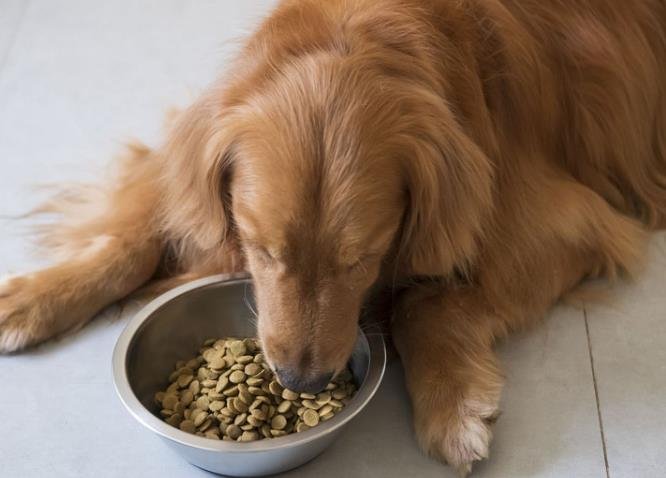
1. Dietary Drama: They Ate Something… Fishy! “If it smells like fish and tastes like fish…” You know the drill. If your dog’s diet includes fishy treats, meals, or supplements (like that cod liver oil you swear is good for them), guess what? The scent will linger. It’s like when you chow down on sushi for dinner and your coworkers avoid your morning coffee chat—it’s ten times worse with dogs! My Fix: Swap those fishy snacks for something neutral (try sweet potato jerky or bully sticks—they’re a hit in my house!). If you must use fish oil, mix it into their food or give it right before a meal to minimize the odor aftermath.
2. Dental Disasters: It’s Not Just Gross—it’s Dangerous! Dental issues are the #1 cause of bad breath in dogs, and fishy smells can be a red flag. Here’s the deal:
●
Plaque and Tartar Buildup: That sticky gunk on their teeth turns into rock-hard tartar, which breeds bacteria and smells… well, disgusting. Fishy undertones are common here.
●
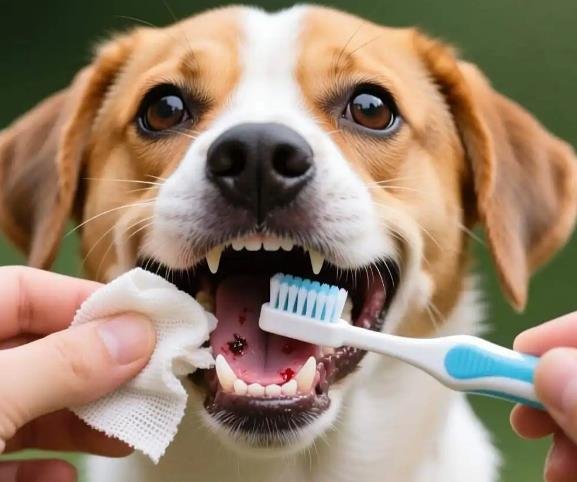
Infected Teeth or Sores: A painful abscess or mouth ulcer can cause a putrid odor that makes you want to gag. My poor pup once had a tooth infection that smelled so bad, I could taste it in the back of my throat when she licked me. Not fun. What I Do: Brush their teeth daily with dog-specific toothpaste (peanut butter flavor is a game-changer). Schedule professional cleanings (yes, it’s worth the $$), and give them dental chews that actually work (ask your vet for recommendations—I’ve had epic fails with cheap ones). Trust me: your dog will thank you when their mouth feels better.
3. Upset Tummies: When Their Insides Are Out of Whack Your dog’s GI tract can play havoc with their breath:
●
Acid Reflux or Upset Stomach: If they scarfed down something spicy (or stole your leftover pizza), acid reflux can send a fishy scent shooting up.
●
Food Intolerances: Some dogs are sensitive to certain ingredients, which can cause gas… and fishy burps. Yes, it’s a thing. My Solution: Feed smaller meals throughout the day. Stick to a consistent diet (no more “kitchen table scraps!”—I know, I’m guilty too). Talk to your vet about adding a probiotic to their food. It helped my pup’s digestion and her breath!
4. Foreign Objects: The Great Smelly Mystery Sometimes, the culprit is literally stuck in their mouth:
●
Stuck Debris: Bits of fish bone, sticks, or even a rogue toy can rot and stink. My dog once had a piece of rawhide lodged between her teeth for two days—I thought my house would explode from the odor.
●
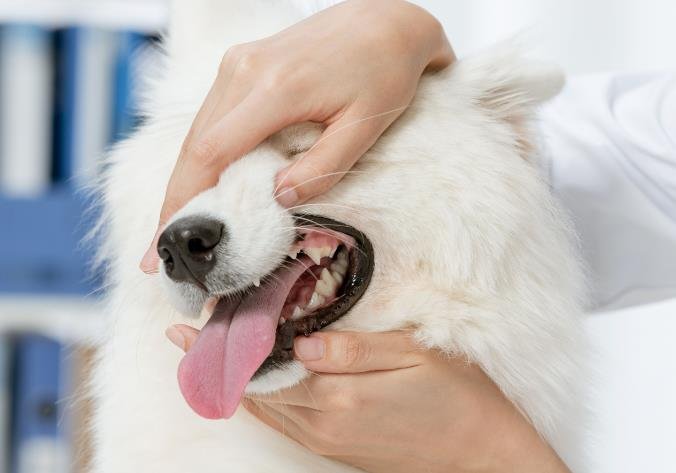
Mouth Injuries: Cuts or punctures (think stick fights gone wrong) can get infected and smell like… well, you get the picture. Action Steps: Gently inspect their mouth with a flashlight. If you see something stuck, try to remove it carefully. If you can’t, or if you suspect an injury, head to the vet immediately. Better safe than dealing with a raging infection!
5. Health Warnings: When Fishy Breath Means Danger While most cases are harmless, fishy breath can signal a serious health issue:
●
Kidney Disease: In advanced stages, kidney problems can cause a metallic, fishy odor. Look for signs like excessive drinking, weight loss, or lethargy. If you notice these, drop everything and get to the vet.
●
Liver Trouble: A failing liver might manifest as a strong, unusual odor (fishy or otherwise). Vomiting, yellow gums, or loss of appetite are red flags. No Jokes: If fishy breath is paired with any other symptoms, don’t wait. Call your vet right now. Early detection saves lives—I’ve seen it firsthand.
My Quick Fixes for Fresher Breath: Need a fast solution? Try these:
1.
Diet Overhaul: Toss the fishy food! Switch to a high-quality, protein-packed diet. Add fresh breath boosters like parsley or mint (both safe for dogs). My pup loves frozen blueberries as a crunchy treat.
2.
Brush ‘Em Daily: Make teeth brushing a fun ritual. Let your dog pick their toothpaste flavor (my girl is obsessed with chicken). Reward with praise and a belly rub.
3.
Water Additives: Try a vet-recommended oral rinse. I use one that tastes like chicken broth—my dog drinks more water now!
4.
Chew On This: Give dental chews or bully sticks. They act like natural toothbrushes and keep your pup entertained. Win-win.
5.
Vet Checkup: If nothing works, schedule an exam. Your vet might recommend X-rays or specialized treatments to tackle the root cause.
My Final Thoughts: Listen to Your Instincts (and Your Nose!) Fishy dog breath is usually fixable with a little detective work and TLC. Sometimes it’s harmless, and other times it’s a cry for help. As a pet parent, you know your dog best. If something feels off, trust your gut and get them checked. After all, fresh breath is a sign of a happy, healthy pup—and who doesn’t want more sloppy, stink-free kisses?
P.S.: If this resonated with you, check out my post on “Why My Dog’s Ears Smell Worse Than a Wet Dog Bed”—it’s full of tips from my own (embarrassing) experiences! And if you’ve battled fishy breath, leave a comment! I’d love to hear your stories or hacks that worked for you. Happy parenting! 🐾❤️