Dog Nutrition for a Balanced Diet: Complete Guide to Feeding Your Dog Right (2026)
I need to tell you about the kibble incident.
Cooper was three. I’d just read this article about how commercial dog food was basically poison. Filled with fillers. Made from things nobody would eat.
I panicked.
Spent two weeks researching homemade dog food recipes. Found one that looked perfect. Balanced. All natural. Everything Cooper deserved.
Made a big batch. Cost me $180 in ingredients. Took three hours.
Cooper ate it for ten days. Then he stopped walking properly.
Turns out I’d gotten the calcium-to-phosphorus ratio completely wrong. By like… a lot. My vet used the word “concerning” which is vet-speak for “you almost broke your dog.”
We fixed it. Cooper’s fine now. But I think about that batch of food every time I open his kibble bag.
dog nutrition – I thought I understood it. I didn’t. Not even close.
Let me tell you what I actually learned. The version with mistakes included.
⚠️ Before We Get Started
I’m not a vet. I’m not a veterinary nutritionist.
I’m a dog owner who’s spent way too much money figuring this out. Made errors. Learned from them. Still learning, honestly.
This is information. Not medical advice.
Your dog has specific needs. Age. Health conditions. Activity level. All of it matters. What worked for Cooper might not work for yours.
If you’re making big diet changes, talk to your vet. Actually talk. Not just mention it while they’re checking ears. Make it the reason for the appointment.
Okay. Now that we’re clear…
The Five Things Your Dog Actually Needs
Here’s what I wish someone had told me before the homemade food disaster.
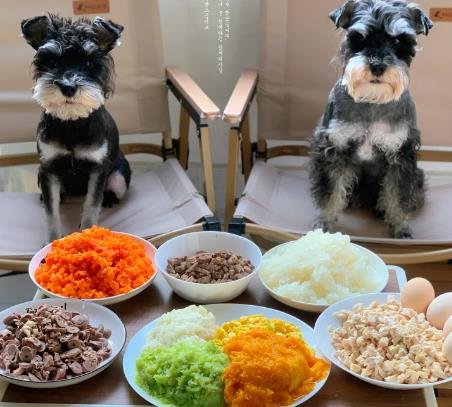
balanced diet for dogs doesn’t mean complicated. It means complete.
1. Protein
This is the big one. Muscles. Tissues. Immune function. All of it needs protein.
But here’s what I didn’t know: not all protein is equal. Chicken meal isn’t the same as whole chicken. Plant protein doesn’t work the same as animal protein for dogs.
Cooper’s first food had “meat by-products” as the main ingredient. I didn’t know what that meant. Looked it up. Changed brands.
essential nutrients for dogs start here. I look for named protein sources now. Chicken. Beef. Fish. Not “meat” or “animal protein.”
2. Fat
I used to worry about fat. Thought less was better.
Wrong.
Dogs need fat. Energy. Skin health. Coat quality. Brain function.
The right fat. Not the wrong fat.
Cooper’s coat changed when we switched to a food with better fat sources. Fish oil. Chicken fat. Not generic “animal fat.”
3. Carbohydrates
Controversial topic. I know.
Some people say dogs don’t need carbs. Some say they’re essential.
Here’s what my vet told me: dogs can process carbs. They don’t need them the way we do. But they’re not poison either.
grain free dog food good or bad – honestly? It depends. Some dogs do better with grains. Some don’t. There’s no universal answer.
Cooper gets rice and sweet potato. He’s fine. My friend’s dog got diarrhea on grain-free. Switched back. Also fine.
4. Vitamins and Minerals
This is where my homemade food failed.
I had the macros right. Protein. Fat. Carbs.
The micros? Completely wrong. Calcium. Phosphorus. Zinc. Copper. All of them need to be in specific ratios.
dog vitamin supplements – I use them now. Not because I think they’re magic. Because I know I can’t get everything perfect through food alone.
My vet recommended a specific brand. I use it. Not glamorous. But Cooper’s blood work is good.
5. Water
Sounds obvious. It’s not.
I didn’t track Cooper’s water intake until he had a kidney scare. Turned out he wasn’t drinking enough. Dry food. Not enough encouragement.
Now I have three water stations. One by his bed. One in the kitchen. One in the yard.
He drinks more. I worry less.
What I Feed Cooper Now (And Why)
Let me be specific.
After the homemade disaster, I went back to commercial food. But I chose differently.
best dog food brands – I researched for weeks. Read labels. Called companies. Asked about their nutritionists.
Here’s what I landed on:
Breakfast:
- High-quality kibble (named protein source, AAFCO complete)
- Small amount of wet food mixed in (for moisture)
- Probiotic supplement
Dinner:
- Same kibble
- Sometimes cooked chicken or fish (plain, no seasoning)
- Vegetables (carrots, green beans – chopped small)
Treats:
- Limited. Maybe five or six a day.
- Freeze-dried liver
- Occasional apple slice (no seeds)
- Nothing from the table. Ever.
what to feed my dog – this is what works for us. It’s not perfect. It’s sustainable.
I spent $220 a month on Cooper’s food now. Used to spend $85. The difference is noticeable. His coat. His energy. His stools. (Yes, I monitor his stools. You should too.)
The Label Reading Thing Nobody Explains Well
I need to talk about this.
dog food label reading – I was terrible at it. Still learning, honestly.
Here’s what I look for now:
First Five Ingredients:
These matter most. They’re the bulk of the food.
I want to see named proteins. “Chicken” not “poultry.” “Beef” not “meat.”
If corn or wheat is in the first three ingredients, I put it back. Not because they’re evil. Because I want protein first.
AAFCO Statement:
This tells you if the food is complete.
“Complete and balanced for all life stages” – that’s what I want.
Or “Complete and balanced for adult maintenance” – also fine if your dog’s an adult.
complete and balanced dog food – this phrase matters. It means the food meets minimum nutritional standards. Not that it’s perfect. But that it won’t deficiency-starve your dog.
Guaranteed Analysis:
This shows minimum and maximum percentages.
Protein. Fat. Fiber. Moisture.
I compare these between brands. Not obsessively. But enough to know what I’m buying.
Manufacturing Information:
Where was it made? Who makes it?
I called one company. They couldn’t tell me where their food was manufactured. Didn’t buy it.
Puppy vs. Adult vs. Senior: What Changed for Cooper
Cooper’s six now. I’ve fed him three different formulas.
puppy nutrition guide – when he was eight weeks old, I used puppy-specific food. Higher protein. Higher fat. More calories.
He needed it. Growing. Learning. Burning energy constantly.
I switched at eighteen months. My vet said large breeds should stay on puppy food longer. Cooper’s medium-sized. Eighteen months was right for us.
Adult maintenance – this is what he’s on now. Stable weight. Moderate activity. No special health conditions.
The food changed. His routine didn’t. Same feeding times. Same portions. Adjusted slightly as he aged.
senior dog diet – we haven’t hit this yet. But I’ve researched it.
Senior foods typically have:
- Lower calories (less activity)
- More fiber (digestion slows)
- Joint support ingredients (glucosamine, etc.)
- Easier to digest proteins
I’ll switch when Cooper’s seven or eight. Maybe earlier if his blood work suggests it.
dog nutrition by age isn’t optional. A puppy food for a senior dog causes problems. A senior food for a puppy stunts growth.
Match the food to the life stage. Every time.
How Much Is Enough? (The Question I Got Wrong)
This embarrassed me.
I was overfeeding Cooper. For two years.
how much to feed dog – I was following the bag guidelines. They were wrong. For him.
Here’s what happened:
Cooper gained eight pounds. Slowly. Over maybe ten months. I didn’t notice. He’s a fluffy dog. Weight hides easily.
My vet mentioned it during a routine visit. Not “your dog is obese.” Just “he’s trending up.”
I started measuring. Actually measuring. With a scale. Not a cup.
Cups are inconsistent. One person’s level cup is another person’s heaping cup.
Weight is precise. Grams don’t lie.
What I do now:
- Weigh Cooper monthly. Same scale. Same time of day.
- Adjust food based on weight trends. Not weekly fluctuations.
- Use the rib test. Can I feel his ribs without pressing? Yes = good. No = too much food.
- Watch the waist. From above, there should be an inward curve.
dog obesity prevention – this is easier than fixing it. I learned the hard way.
Cooper’s back at his healthy weight now. Took four months. I felt terrible. But we got there.
The Homemade vs. Commercial Debate (My Actual Experience)
Let me be honest about this.
I still believe homemade can work. I just don’t trust myself to do it alone.
homemade dog food recipes – I use them now. As supplements. Not as complete meals.
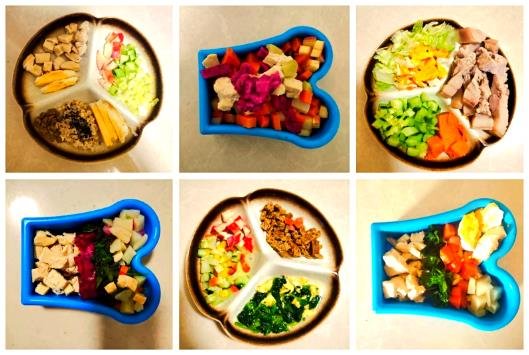
Maybe twenty percent of Cooper’s calories come from homemade. Cooked chicken. Rice. Vegetables. All measured. All calculated.
The other eighty percent is commercial. Complete. Balanced. Formulated by people who know what they’re doing.
Commercial food pros:
- Consistent nutrition
- AAFCO verified
- Convenient
- Less room for my errors
Commercial food cons:
- More expensive (for quality brands)
- Less control over ingredients
- Processing concerns (some valid, some overstated)
Homemade food pros:
- Complete ingredient control
- No processing
- Can customize for specific needs
Homemade food cons:
- Easy to get wrong (I did)
- Time-intensive
- Requires nutritionist involvement for complete balance
- More expensive than I expected
dog diet plan – mine is hybrid. Mostly commercial. Some homemade. Vet-approved.
It works for us. Might not work for you. That’s okay.
Ingredients I Avoid Now (Learned the Hard Way)
After six years of reading labels, here’s what I skip:
dog food ingredients to avoid:
Artificial Colors:
Why does dog food need to be red? Or blue? Cooper doesn’t care. I’m not buying it.
Vague Meat Sources:
“Meat meal.” “Animal by-products.” “Poultry.”
If they can’t name it, I don’t want it.
Excessive Fillers:
Corn. Wheat. Soy.
Not toxic. Not evil. But if they’re the main ingredients, I’m looking elsewhere.
BHA/BHT:
Preservatives. Controversial. I avoid them. Not because I’m certain they’re harmful. Because I’m not certain they’re safe.
Added Sugar:
Yes, it’s in some dog food. No, dogs don’t need it.
grain free dog food good or bad – I’ll address this specifically.
Grain-free became huge. Then the FDA investigated a potential link to heart conditions. DCM. Dilated cardiomyopathy.
The science isn’t settled. But I’m not experimenting on my dog.
Cooper gets grains. Rice. Oats. Barley. He’s fine. If that changes, I’ll adjust.
The Transition That Almost Went Wrong
Switching foods sounds simple. It’s not.
dog food transition guide – I didn’t follow one. First time. Cooper paid the price.
Went from old food to new food in two days.
He had diarrhea for a week. Not dangerous. But miserable. For both of us.
Here’s what I do now:
Days 1-3: 75% old food, 25% new food
Days 4-6: 50% old food, 50% new food
Days 7-9: 25% old food, 75% new food
Day 10: 100% new food
Slow. Boring. Effective.
If Cooper shows any digestive issues, I slow down. Extend each phase. Go back a step if needed.
healthy dog food options don’t matter if the transition gives your dog digestive problems.
Patience here saves messes. And vet visits.
Supplements: What I Use and What I Don’t
This topic divides people.
dog vitamin supplements – I was skeptical. Still am, somewhat. But I use some.
What Cooper gets:
Omega-3 Fish Oil:
His coat was dull. Vet suggested this. Noticed difference in six weeks. Continue using.
Probiotic:
Had digestive issues after antibiotics. Probiotic helped. Now use it consistently.
Glucosamine:
Started at age five. Preventative. No joint issues yet. Hope to keep it that way.
What Cooper doesn’t get:
Multivitamins:
His food is complete. Adding more risks over-supplementation.
Calcium:
Unless vet recommends it. Too much causes problems. I learned this the expensive way.
Random Instagram-Recommended Supplements:
If it’s not vet-recommended, I’m not buying it.
Supplements: Are They Necessary? – for Cooper, some are. For your dog? Ask your vet. Blood work tells you what’s actually needed.
Special Situations I’ve Dealt With
Not every dog is healthy. I know this now.
Allergies:
Cooper developed a chicken sensitivity at age four. Switched to fish-based food. Problem resolved.
Weight Management:
We’ve been through this. Twice. Measure food. Increase exercise. Reduce treats. It works. But it’s hard.
Health Conditions:
My friend’s dog has kidney disease. Special diet. Prescription food. Expensive. Necessary.
Special Dietary Needs vary. What’s standard for one dog is dangerous for another.
raw diet for dogs – I get asked about this constantly.
I researched it. Extensively. Talked to vets. Talked to raw feeders.
Here’s where I landed: I’m not doing it. Not because I think it’s evil. Because the risk-benefit doesn’t work for me.
Bacterial contamination risk. Nutritional imbalance risk. Cost. Time.
Cooper’s on cooked food. I’m comfortable with that.
Your calculus might differ. That’s your decision.
The Cost Reality (Because Money Matters)
Let me talk about this honestly.
dog nutrition on a budget – I wasn’t realistic about this at first.
What I spent:
Year 1 (cheap kibble):
- Food: $85/month
- Vet visits: $400/year
- Total: $1,420
Year 2-3 (mid-range food):
- Food: $150/month
- Vet visits: $500/year
- Total: $2,300/year
Year 4-6 (quality food + supplements):
- Food: $220/month
- Supplements: $40/month
- Vet visits: $600/year
- Total: $3,580/year
Is the extra cost worth it?
Cooper’s healthier. Fewer digestive issues. Better coat. More energy.
I don’t know if that’s the food or other factors. Probably both.
best dog food brands cost more. I accept that. It’s a priority for me.
It might not be for you. That’s okay. Mid-range food with consistent feeding beats expensive food with inconsistent feeding.
healthy dog food options exist at multiple price points. Find what’s sustainable for your situation.
Mistakes I Made (So You Don’t Have To)
Let me be specific about my failures.
Mistake 1: Following the bag guidelines exactly
They’re averages. Not prescriptions. Cooper needed less. I didn’t adjust.
Mistake 2: Changing food too quickly
Already mentioned this. The diarrhea week. Never again.
Mistake 3: Trusting marketing over ingredients
“Natural.” “Premium.” “Holistic.”
These words mean nothing. I learned to read past them.
Mistake 4: Not tracking weight regularly
Eight pounds snuck on gradually. Monthly weighing would have caught it sooner.
Mistake 5: Assuming expensive meant better
Spent $280 on a “boutique” food. Turns out it was manufactured by the same company as the $120 food. Different label. Same kibble.
Mistake 6: Ignoring my vet’s nutrition advice
Thought I knew better. Didn’t. The homemade food incident taught me this.
dog food nutrition – I know more now. I still ask questions. Every time.
What I Tell New Dog Owners About Food
Someone asked me last month. First-time owner. Overwhelmed.
Here’s what I told them:
Start simple. Quality commercial food. AAFCO complete. Age-appropriate.
Don’t overthink it initially. You can optimize later. Get the foundation right first.
Measure everything. For the first month. Learn what the right amount looks like.
Watch your dog. Not the internet. Not the bag. Your actual dog. Weight. Energy. Stools. Coat.
Build a relationship with your vet. Mention food at every visit. Ask questions. Get blood work.
what to feed my dog – the answer changes over time. That’s normal. You’ll learn. Your dog will tell you what works.
The Thing Nobody Talks About: Consistency
Here’s what actually matters more than perfect nutrition.
Consistency.
Same food. Same times. Same portions.
Cooper thrives on routine. His digestion does too.
I travel sometimes. His food travels with him. Same brand. Same formula.
Guests visit. They don’t feed him. I’ve trained them. Some find it rude. I don’t care.
balanced diet for dogs works best when it’s consistent. Changing food constantly confuses their system.
Find something that works. Stick with it. Adjust as needed. But don’t chase perfection.
Signs Your Dog’s Nutrition Is Working
How do you know if you’re getting it right?
Good signs:
- Consistent energy levels
- Healthy coat (shiny, not dull)
- Normal stools (firm, not too hard or soft)
- Healthy weight (ribs palpable, visible waist)
- Good appetite (not ravenous, not disinterested)
Warning signs:
- Frequent digestive upset
- Dull or flaky coat
- Unexplained weight changes
- Low energy
- Excessive hunger or food obsession
how to tell if dog food is working – watch your dog. Not the reviews. Not the marketing. Your actual dog.
Cooper tells me when something’s wrong. I’ve learned to listen.
One More Thing About Treats
I need to address this.
Treats aren’t food. They’re… something else.
Training. Bonding. Occasional joy.
But they add up.
I limit Cooper’s treats to:
- 10% of daily calories (max)
- Healthy options (freeze-dried meat, vegetables)
- Nothing from the table
- No treats after 8 PM (prevents begging behavior)
dog obesity prevention includes treat management. I learned this watching Cooper’s weight creep up.
Those training treats? They count. That cheese piece? It counts. Everything counts.
If You Take Nothing Else From This
Let me end with what actually matters.
Your dog is an individual. What works for mine might not work for yours. That’s okay.
Perfect is the enemy of good. I spent months chasing perfect nutrition. Cooper needed consistent adequate nutrition. Good enough, done consistently, beats perfect done inconsistently.
Your vet is your partner. Not your enemy. Not trying to upsell you. They want your dog healthy. Use them.
You’ll make mistakes. I have. You will too. Your dog will forgive you. Learn. Adjust. Move forward.
dog nutrition – it’s important. But it’s not everything. Love. Exercise. Mental stimulation. Veterinary care. All of it matters.
Food is one piece. An important piece. But one piece.
Cooper’s six. Healthy. Happy. Well-fed.
Did I get everything right? No.
Did I get enough right? Yes.
That’s what I’m aiming for. That’s what I want for you.
Last updated: March 2026
This article reflects personal experience and research, not professional veterinary or nutritionist advice
Always consult your veterinarian before making significant diet changes
Individual dogs have unique nutritional needs based on age, health, activity level, and breed
Some product mentions are for informational purposes only, not endorsements