Meet the Dutch Shepherd: The Underrated All-Rounder of the Canine World
Picture a dog that’s equal parts athlete, thinker, and loyal shadow—that’s the Dutch Shepherd! With their tiger-striped coat and laser-focused gaze, these dogs are like the Swiss Army knives of the working dog world. But before you dive into this rare gem of a breed, let’s unpack what makes them both extraordinary and demanding.
Quick Snapshot
| Trait | Dutch Shepherd |
|---|---|
| Size | 57–62cm (males), 55–60cm (females) |
| Weight | 23–32kg (both sexes) |
| Lifespan | 13–15 years (with proper care) |
| Coat | Short, long, or wiry (brindle patterns) |
| Energy Level | High! 2+ hours daily (think agility drills + scent work) |
| Barking | Moderate (alert but not excessive) |
Looks & Grooming Hacks
This breed’s rugged charm hides practical needs:
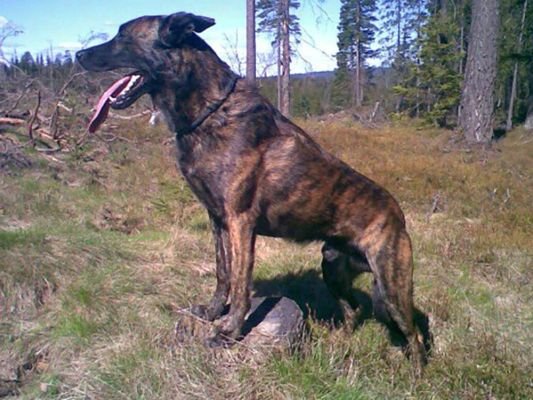
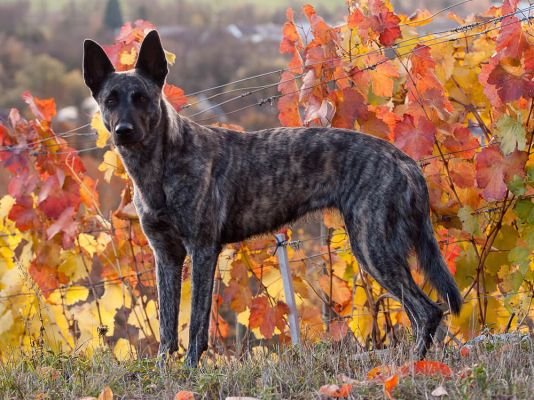
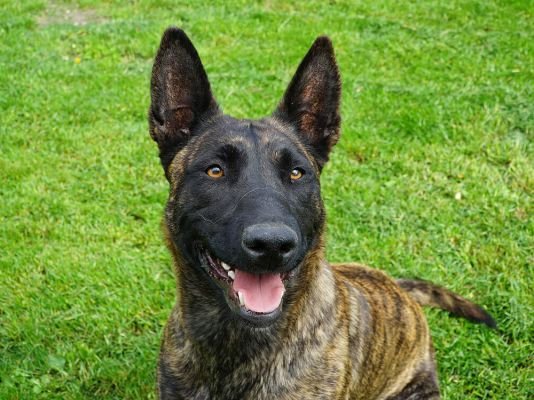
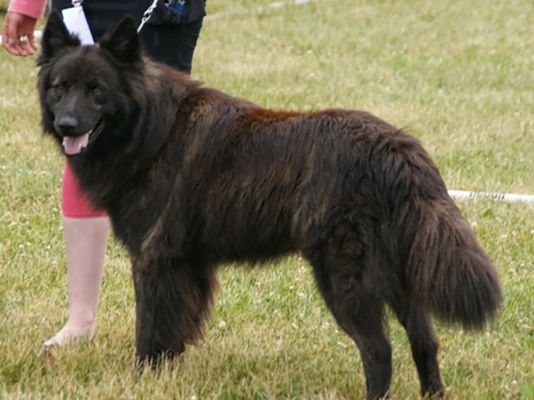
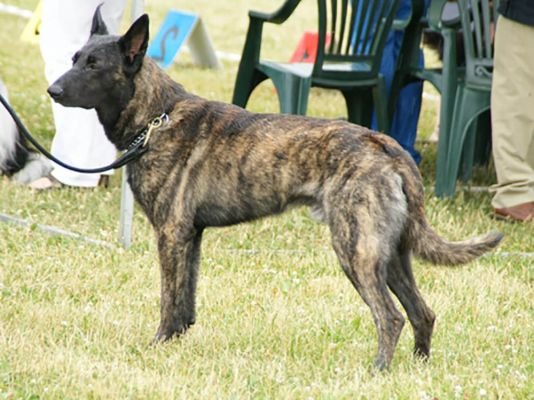
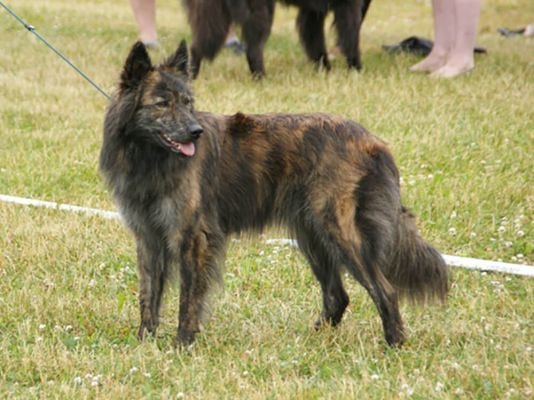
- Signature Brindle Coat: Imagine a tiger’s stripes in shades of gold, silver, or blue-gray. Three coat types exist: short (most common), long (rare), and wire-haired (nearly extinct). Weekly brushing keeps shedding manageable, but spring and fall? Prepare for a fur storm!
- Bath Time? Every 6–8 weeks with a mild shampoo. Pro tip: Wire-haired types need hand-stripping twice a year to maintain texture.
- Ear Alert! Those perky ears trap dirt. Clean weekly with vet-approved wipes to dodge infections.
Fun Fact: Their coat isn’t just pretty—the brindle pattern helped farmers spot them in fields!
Personality: Work Hard, Snuggle Harder
Dutch Shepherds are 60% “Focused Worker”, 30% “Family Clown”, 10% “Couch Cuddler”:
- Kid-Friendly? Great with older kids who respect their space. Toddlers might get “herded” during playtime!
- Pet Politics: Raised with cats? Tolerant 🐈… squirrels? “Must. Chase. Now!” 🐿️ Early socialization is key.
- Training Trick: Use roast chicken or cheese! They’ll master “sit” in minutes… but “stay”? That’s negotiable if a ball rolls by.
Key Insight: Bred as farm multitaskers, they need jobs. No sheep to herd? Try scent games or agility courses—bored Dutchies become DIY home renovators (chewed couches included).
Pros & Cons
| Pros | Cons |
|---|---|
| Versatile worker (police, SAR, therapy) | High energy (not for couch potatoes!) |
| Low grooming (short coat) | Rare breed (prepare for waiting lists!) |
| Loyal protector (quiet watchdog) | Stubborn streak (needs experienced owner) |
Health & Nutrition
Diet Essentials:
- Adults: 2–3 cups high-protein kibble daily (split into 2 meals). Avoid fillers like corn—opt for salmon or lamb as first ingredients.
- Snack Hack: Frozen carrots or apple slices (crunchy + low-cal!).
- Watch For: Hip dysplasia (common in active breeds) and anesthesia sensitivity (half doses recommended!).
Exercise Musts:
- Morning agility drills (they live for obstacle courses!).
- Evening “find the treat” games (their nose rivals bloodhounds!).
Spotting a Quality Dutch Shepherd
| Trait | Healthy Pick | Red Flags! |
|---|---|---|
| Eyes | Bright, almond-shaped | Cloudiness or discharge |
| Movement | Smooth, effortless gait | Limping or stiffness |
| Temperament | Curious but calm | Excessive aggression or fear |
Ethical Breeder Checklist:
- Health clearances: Hips, eyes, DNA tests.
- Parents from working lines (proven herding or police work).
- Puppies raised indoors (socialized with kids/noise).
Final Thought
The Dutch Shepherd isn’t just a pet—it’s a lifestyle. Ready for muddy hikes, backyard Olympics, and a shadow who’ll guard your family with quiet intensity? Just remember: their brilliance demands engagement. Skip this breed if you’re glued to your desk… but if adventure calls, you’ll gain a partner as versatile as they come.
P.S. Rescue Tip: Check breed-specific rescues—many Dutchies need homes due to their high-energy reputation. Giving one a second chance? That’s true grit.