Why Is My Dog Pooping Blood? Common Causes & When to See a Vet
⚠️ Medical Disclaimer: I’m a dog blogger, not a veterinarian. This article shares my experiences and research, but it cannot replace professional veterinary advice. If your dog is pooping blood, please contact your vet. Some situations require immediate emergency care.
I need to tell you about the morning I thought I was losing my dog.
It was a Tuesday. I remember because I had just made coffee and was standing in my kitchen, still in my pajamas, when I walked Cooper outside for his morning walk.
That’s when I saw it.
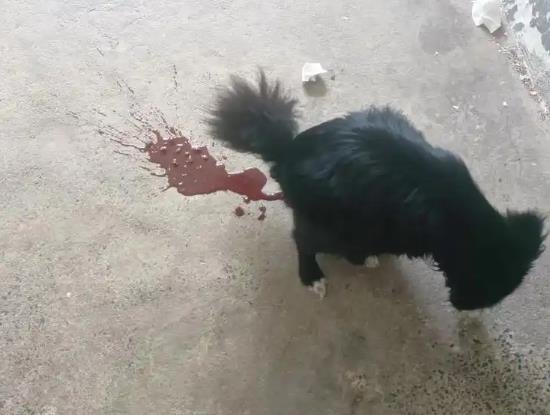
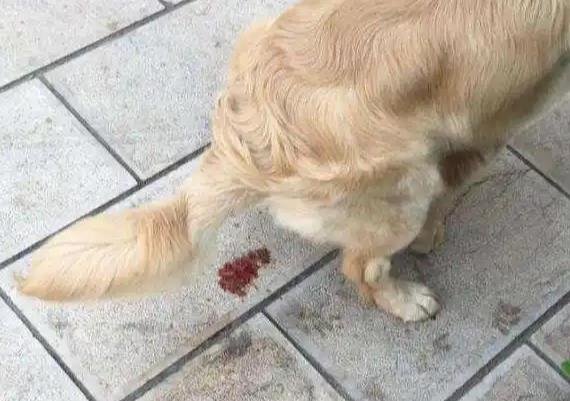
Bright red. On the grass. On his back legs. In his fur.
My stomach dropped. I don’t know if you’ve ever felt that specific kind of panic—the one where your brain goes blank and your hands start shaking and you’re suddenly aware of your own heartbeat in your ears.
I called my vet. Voice cracking. Barely able to explain what I’d seen.
The receptionist was calm. Asked me some questions. How much blood? What color? Is he acting normal? Eating? Drinking?
I didn’t know half the answers. I was too busy trying not to cry in my driveway at 7 AM.
Turns out, Cooper was fine. Had irritated his colon from eating something he shouldn’t have (probably grass, maybe a rock, who knows with dogs). A few days of bland food and he was back to normal.
But those hours of waiting? Wondering if I was about to lose my best friend? I wouldn’t wish that on anyone.
If you’re reading this, you might be feeling what I felt that morning. Scared. Confused. Desperate for answers.
Let me share what I learned. Not just from my vet, but from the months of research I did afterward. From talking to other dog parents who’ve been there. From the mistakes I made so you don’t have to.
First: Don’t Panic (I Know, Easier Said Than Done)
Here’s the thing about blood in dog stool—it’s scary, but it’s not always an emergency.
Sometimes it is. I’m not going to sugarcoat that. But sometimes it’s something manageable. Something that resolves with simple treatment. Sometimes it’s a one-time thing that never happens again.
The problem is, you can’t always tell the difference from your living room at 11 PM on a Saturday.
So here’s what I do now. And I wish someone had told me this before Cooper’s scare:
Take a photo.
I know. Gross. I get it. But hear me out.
When I called the vet with Cooper, they asked me to describe the blood. I fumbled. Said it was red. Maybe bright red? Or dark? I couldn’t remember. Couldn’t describe it properly.
Now I keep my phone handy. Take a picture. Show it to the vet. They can tell way more from a photo than from my panicked description.
Check your dog’s behavior.
This matters more than you’d think.
Is your dog acting normal? Eating? Drinking? Playing? Or are they lethargic? Vomiting? Refusing food?
A dog pooping blood but otherwise acting fine is different from a dog pooping blood AND struggling to stand.
Note the color.
Bright red usually means lower digestive tract. Near the end. Colon or rectum area.
Dark, black, tarry stool usually means upper digestive tract. Stomach or small intestine. The blood gets digested on the way through, which changes the color.
Both need attention. But they tell different stories.
When You Need to Go to the Vet Immediately
Okay. Let’s talk about the scary stuff. Because some situations can’t wait.
I made a list after Cooper’s incident. Put it on my fridge. Shared it with my dog parent friends. Here’s what’s on it:
Go to emergency vet NOW if:
- Your dog is vomiting blood (along with the bloody stool)
- They’re lethargic or weak—can barely stand or walk
- Gums are pale or white (lift their lip and check)
- They’re refusing to drink water
- There’s a LOT of blood. Not just streaks. Actual pools or clots.
- Your dog is a puppy or very old senior
- They have a known condition like kidney disease or cancer
- You suspect they ate something toxic (chocolate, rat poison, etc.)
- Their belly seems swollen or painful when you touch it
- They’re straining to poop but nothing comes out
I learned the gum thing from my vet. Healthy dog gums should be pink. Press on them—they should turn white briefly, then pink again within two seconds. If they stay white? That’s a bad sign. Means circulation is compromised.
Cooper’s gums were fine. That was the first thing the vet asked about on the phone. When I said yes, pink and normal, I could hear the relief in her voice.
Call your regular vet same-day if:
- Blood appears more than once
- Your dog seems uncomfortable but isn’t in crisis
- There’s diarrhea along with the blood
- You notice mucus in the stool
- Your dog is eating and drinking but seems “off”
- This is the first time and you’re not sure what to do
You can monitor at home (but still call your vet) if:
- It happened once, only a small amount
- Your dog is acting completely normal
- No other symptoms at all
- You can identify a possible cause (ate something unusual, changed food recently, etc.)
Even in this “wait and see” scenario, I still call my vet. Just to let them know. They might want to bring Cooper in. Or they might say watch for 24 hours. Either way, I’ve started the conversation.
What Could Be Causing This
I spent weeks researching this after Cooper’s scare. Read veterinary articles. Talked to three different vets. Joined dog parent forums and read hundreds of stories.
Here’s what I learned about common causes:
Dietary issues. This was Cooper’s problem. Dogs eat things they shouldn’t. Garbage. Bones that splinter. Sudden food changes. Table scraps that upset their system. Sometimes it’s as simple as they ate something that irritated their gut.
Parasites. Hookworms. Whipworms. Giardia. These little monsters can cause bloody stool, especially in puppies. Cooper was on preventative medication, which helped rule this out. But not all dogs are. If your puppy isn’t on parasite prevention, this moves up the list.
Infections. Bacterial or viral. Parvovirus is the scary one—especially for unvaccinated puppies. It’s serious. Can be fatal. But vaccines exist for a reason. Keep your dogs current.
Inflammatory bowel disease. This is chronic. Comes and goes. Requires ongoing management. One of my friends’ dogs has this. They manage it with special food and medication. It’s not curable, but it’s manageable.
Trauma or injury. Something sharp inside. A stick. A bone fragment. A toy piece. These can scratch or puncture on the way through.
Polyps or tumors. More common in older dogs. Not always cancer, but needs investigation. My vet mentioned this with Cooper because he was five at the time. Turned out not to be the case, but they wanted to rule it out.
Stress. Yes, really. Dogs get stressed too. Big changes. Moving. New family members. Boarding. Some dogs respond with digestive issues. Cooper had this happen when we moved apartments. One bloody stool, then nothing. Vet said stress colitis.
Medications. Some drugs can cause gastrointestinal bleeding. NSAIDs especially. If your dog is on medication and you notice blood, call your vet before giving the next dose.
Clotting disorders. Less common. But if your dog bruises easily or has other bleeding issues, this could be relevant.
I’m not listing these to scare you. I’m listing them because knowledge helps. When I understood the range of possibilities, I stopped assuming the worst every time.
What Your Vet Will Probably Do
I was nervous about Cooper’s vet visit. Didn’t know what to expect. Would they run a bunch of expensive tests? Would they keep him overnight?
Here’s what actually happened:
Physical exam. They checked everything. Temperature. Heart rate. Gums. Belly palpation. Looked at his ears, eyes, mouth. Standard stuff.
Fecal test. They asked for a fresh stool sample. I had brought one (in a bag, in my pocket, yes, I know). They examined it under a microscope for parasites.
Blood work. For Cooper, they did a basic panel. Checked his organ function. Looked for signs of infection or anemia.
Discussion. The vet asked about his diet. Recent changes. What he might have accessed. Other symptoms. I had written notes, which helped.
Treatment plan. For Cooper, it was simple. Bland food for three days. Probiotics. Watch for recurrence. Follow up if it happened again.
Total cost was about $180. Not nothing, but not the thousands I had braced myself for.
If the situation is more serious, they might recommend:
- X-rays
- Ultrasound
- Endoscopy
- More extensive blood panels
- Hospitalization
It depends on what they find. And on your dog’s overall condition.
What I Did at Home (After the Vet Visit)
The vet gave us clear instructions. Here’s what we actually did:
Bland diet. Boiled chicken and white rice. No seasoning. No oil. Just plain. Three small meals a day for three days. Then gradually mixed back into his regular food over another three days.
Cooper hated it at first. He’s used to his kibble. Stared at the chicken rice like I had betrayed him. But he ate it. Eventually.
Probiotics. Our vet recommended a dog-specific probiotic. I bought one from the clinic. Mixed it into his food twice a day.
Water. Made sure he had fresh water available at all times. Changed it frequently. Added a second bowl in the bedroom just in case.
Monitoring. I watched his stool. Every time. For two weeks. Took photos of the first few normal ones just to have a reference. Sounds obsessive. Maybe it was. But it gave me peace of mind.
Restricted access. I put the trash can in the closet. Picked up anything small from the floor. Watched him more carefully on walks. Didn’t let him sniff-eat everything he found.
Rest. No long hikes for a few days. Just short walks. Let his system recover.
After three days, his stool was normal. After a week, I stopped holding my breath every time we went outside. After two weeks, I finally stopped checking every single poop.
Mistakes I Made (So You Don’t Have To)
I want to be honest about this. Because I messed up. And I don’t want you to make the same mistakes.
I waited too long to call. Cooper had one bloody stool on Monday morning. I told myself it was a one-time thing. Waited to see if it happened again. It didn’t. But I still should have called. My vet said she would have appreciated the heads-up.
I googled symptoms at 2 AM. Don’t do this. You know what you’ll find. The worst possible scenarios. Every forum post about dogs who died. I made myself miserable. If you’re going to research, do it during the day. Call your vet. Get actual information.
I changed his food immediately. Before talking to the vet, I switched Cooper to a different brand. Thought maybe his food was the problem. Vet said this could have made things worse. Sudden food changes can cause digestive upset. If you need to change food, do it gradually. Or wait for vet guidance.
I didn’t bring a stool sample to the first appointment. Had to go back the next day. Wasted time. Wasted money. Just bring one. Put it in a ziplock bag. Keep it cool if you can. Your vet will thank you.
I assumed it was nothing. Because Cooper seemed fine, I downplayed it in my head. Vet said this is common. Dogs hide illness well. Just because they’re acting normal doesn’t mean nothing’s wrong.
I didn’t ask about prevention. After the scare, I should have asked what I could do to prevent this. Didn’t think of it until weeks later. Now I know: consistent food, parasite prevention, no table scraps, regular checkups.
The Emotional Side Nobody Talks About
Can I be honest for a minute?
Watching your dog go through anything health-related is hard. And I don’t think people talk about this enough.
After Cooper’s bloody stool incident, I was anxious for weeks. Every time he pooped, I checked. Every time he seemed tired, I worried. Every time he ate something weird on a walk, I panicked.
My partner started teasing me. Called me the “poop police.” It wasn’t funny to me.
I joined a dog parent Facebook group. Posted about my experience. Got dozens of responses. Other people who had been there. Some with happy endings. Some without.
One woman wrote: “I know that feeling. Like you’re waiting for the other shoe to drop. Like you can’t trust that your dog will be okay.”
That’s exactly it.
The physical problem resolved in days. The anxiety took months.
Here’s what helped me:
Talking to my vet. Not just when there was a problem. I scheduled a follow-up call just to ask questions. She was patient. Reassuring. Told me what to watch for. Gave me permission to call if I worried.
Accepting uncertainty. This was hard. I wanted guarantees. There aren’t any. Dogs get sick sometimes. Even with perfect care. I had to make peace with that.
Focusing on what I could control. Good food. Regular vet visits. Preventative medication. Safe environment. Beyond that, I couldn’t control everything. Had to let go.
Connecting with other dog parents. Knowing I wasn’t alone helped more than I expected.
If you’re feeling anxious after a health scare with your dog, you’re not overreacting. You care. That’s not a weakness. That’s love.
Prevention: What I Do Now
Cooper hasn’t had bloody stool since that incident. It’s been eight months. Here’s what I changed:
Consistent feeding. Same food. Same times. No sudden switches. If we need to change, we do it over 7-10 days. Gradual transition.
No table scraps. I know. Hard when they give you those eyes. But human food can upset their system. We stick to dog-safe treats only.
Parasite prevention. Year-round. Even though we live in a cold climate. Vet said it’s worth it.
Regular checkups. Twice a year now. Even when he seems healthy. Blood work annually. Catch things early.
Supervision on walks. I watch what he sniffs. What he tries to eat. I say “leave it” more than I used to. He’s learned. Mostly.
Trash security. Our garbage can has a lock now. Cooper figured out how to open the old one. Never again.
Stress management. When we have big changes coming (travel, visitors, moves), I prepare him. Extra attention. Consistent routine. Sometimes anxiety supplements if the vet recommends.
Emergency fund. I started a savings account just for vet emergencies. Started with $500. Working toward $2000. Peace of mind is worth the monthly deposits.
None of this guarantees anything. Dogs still get sick. But I feel more prepared now. More confident. Less like I’m waiting for the next crisis.
Quick Reference: My Personal Checklist
I keep this on my phone. In my notes app. Easy to find at 2 AM when I’m panicking.
When I see blood:
- Take a photo
- Check gum color (should be pink)
- Note behavior (normal or not?)
- Check for other symptoms (vomiting, lethargy, etc.)
- Call vet if unsure
Emergency signs (go immediately):
- Pale gums
- Can’t stand
- Vomiting blood
- Large amounts of blood
- Puppy or senior dog
- Known toxin exposure
Home monitoring (if vet approves):
- Watch for 24 hours
- Bland food if recommended
- Fresh water always available
- Note every bowel movement
- Call if it happens again
Prevention:
- Consistent food
- Parasite prevention
- Regular vet visits
- Secure trash
- Supervised walks
If You’re Reading This at 3 AM
I see you. I’ve been there.
Your dog just went outside. You saw something that made your stomach drop. You’re googling with shaking hands. Trying to figure out if you need to drive to the emergency vet right now or if you can wait until morning.
Your heart is racing. You keep looking at your dog, sleeping peacefully on the floor, and wondering how they can be so calm when you’re falling apart.
Here’s what I’d tell myself if I could go back to that Tuesday morning:
You’re not overreacting. It’s okay to be scared. You love your dog. That’s why this hurts.
Call the vet. Even if it’s just the emergency line. Even if they tell you to wait. At least you’ll have guidance.
Take a breath. Your dog can feel your anxiety. They need you calm more than they need you perfect.
This might be nothing. It might be something. Either way, you’ll handle it. You’re here. You’re paying attention. You’re doing the right thing by seeking information.
And whatever happens, you’re not alone. There are thousands of dog parents who’ve sat where you’re sitting right now. Wondering. Worrying. Loving their dogs through the scary moments.
Cooper’s asleep next to me as I write this. Snoring softly. Paw twitching in his sleep. Probably dreaming about chasing something.
Eight months ago, I didn’t know if we’d make it through that week.
We did.
You will too.
One More Thing
Someone asked me last month how I stay so calm about Cooper’s health now. Said they remembered how panicked I was after the bloody stool incident.
Here’s what I didn’t say out loud:
I’m not calm. Not really. I just know now that panic doesn’t help. Preparation does.
I have my vet’s number saved in my phone. I have an emergency fund. I know what signs to watch for. I know when to call and when to wait.
That’s not calmness. That’s experience.
And experience is something you earn. Usually through moments you wish you never had to live through.
I wish you didn’t need this article. I wish your dog never pooped blood. I wish I could tell you it’ll never happen.
But I can’t.
What I can tell you is this: you’ve got this. You’re paying attention. You’re seeking information. You’re doing the work.
Your dog is lucky to have you.
And whatever happens next, you’ll figure it out. One vet visit at a time. One day at a time. One deep breath at a time.
Last updated: March 2026
Reviewed against current veterinary guidelines from AVMA and AAHA
Always consult your veterinarian for medical advice specific to your dog