Vet-Approved: How to Handle Dog Vomiting Safely at Home (2026 Guide)
I was asleep when I heard it.
That specific sound. You know the one. Wet. Violent. Followed by silence.
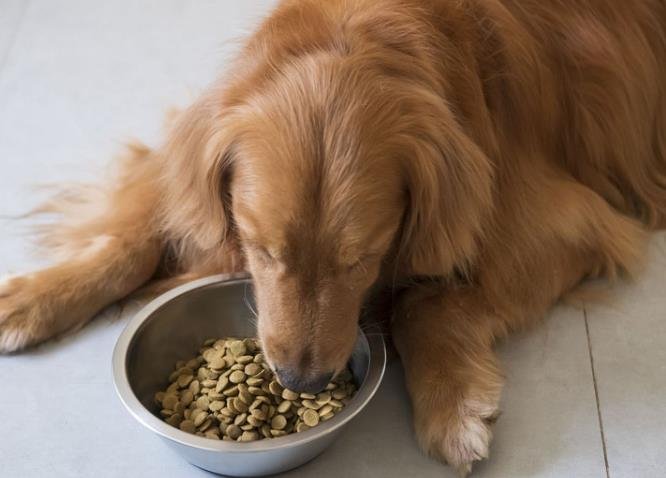
I stumbled into the kitchen at 2 AM. Cooper was sitting there. Golden retriever. Three years old. Looking at me like you should fix this.
There was vomit on the tile. Yellow. Foamy. Not great.
My first thought wasn’t “call the vet.” It was “Google.”
Sound familiar?
If you’re reading this at 3 AM with a sick dog and a phone flashlight, I see you. I’ve been there more times than I want to admit. Let me share what I learned. The real version. Not the sterile medical pamphlet stuff.
dog vomiting – if you searched this to find this page, you’re probably worried. Let’s figure this out together.
⚠️ First Things First (The Disclaimer Nobody Reads But Should)
I need to say this upfront.
I’m not a vet. I’m a dog owner who’s been through this too many times. I’ve talked to vets. I’ve read the research. I’ve made mistakes.
This article cannot replace professional veterinary advice.
If your dog is:
- A puppy under 6 months
- Vomiting blood
- Lethargic to the point of not standing
- Showing signs of pain
- Vomiting repeatedly in a short window
Stop reading. Call your vet. Or find an emergency clinic.
Okay. Now that we’ve got that out of the way…
What I Did Wrong The First Time
Cooper’s first vomiting incident. I panicked.
Did what most people do. Checked WebMD for dogs (yes, that’s a thing). Found twelve different possible causes. Concluded he had cancer.
He had eaten a sock.
why is my dog vomiting – the answer is usually less dramatic than your brain wants to make it. But sometimes it’s serious. Learning the difference took me three vet visits and one emergency bill I still think about.
Here’s what I wish someone told me that night.
The 12 Most Common Causes (Ranked by Likelihood)
Not all vomiting is created equal. Some causes are “wait and watch.” Some are “drive now.”
Based on my vet conversations and dog vomiting causes research, here’s what typically shows up:
1. Dietary indiscretion (aka ate something stupid)
This is the big one. Trash. Table scraps. That thing they found on the walk. Cooper once ate an entire bag of chocolate chips. Not proud of how we stored them.
2. Eating too fast
Some dogs inhale food. Then expel it. Usually undigested. Usually within 30 minutes of eating. Easy fix. Slower feeding.
3. Sudden diet changes
Switched brands without transitioning? Yeah. That’ll do it. Their guts need time to adjust. We learned this the expensive way.
4. Empty stomach bile
Yellow foam. Usually morning. Happens when stomach sits empty too long. dog vomiting yellow bile specifically often points to this.
5. Motion sickness
Car rides. Some dogs just don’t handle them. Cooper threw up on our first road trip. Learned to give him less food before traveling.
6. Stress or anxiety
Big changes. New house. New person. Boarding. Dogs process stress physically. Sometimes it comes out as vomit.
7. Parasites
Worms. Giardia. Stuff you can’t see. More common in puppies and rescue dogs. Bella (my previous dog) had this. Took three rounds of medication.
8. Infections
Viral or bacterial. Often comes with other symptoms. Diarrhea. Fever. Lethargy.
9. Toxin ingestion
Chocolate. Xylitol. Certain plants. Rat poison. This one’s urgent. dog throwing up after potential toxin exposure needs immediate vet attention.
10. Foreign object obstruction
Toys. Bones. Clothing. Something stuck. This can become surgical. Don’t wait too long on this one.
11. Organ disease
Kidney. Liver. Pancreas. More common in older dogs. Usually comes with other warning signs over time.
12. Cancer
It’s on the list. But it’s not usually the first explanation. I learned not to jump here immediately.
dog vomiting treatment depends entirely on which cause you’re dealing with. That’s why observation matters.
What the Vomit Tells You (Yes, Look at It)
I know. Gross.
But you need to look. Your vet will ask. Take a photo if you have to. I have done this. Multiple times. Vets appreciate it.
Yellow or green:
Bile. Empty stomach. Usually not urgent if it’s a one-time thing. dog vomiting yellow bile in the morning specifically often means they need a small bedtime snack.
White foam:
Could be bile. Could be kennel cough irritation. Could be nothing. dog vomiting white foam once is different than five times in an hour.
Undigested food:
They ate too fast. Or exercised right after eating. Or the food doesn’t agree with them.
Brown or dark:
Could indicate digested blood. More concerning. Especially if it smells particularly foul.
Red or bloody:
Call the vet. dog vomiting blood is not a wait-and-see situation.
Object pieces:
If you see toy fragments, fabric, bone pieces… call the vet. Something’s stuck or something’s coming through. Both can be problematic.
I keep a note in my phone now. Date. Time. Appearance. What happened before. Sounds excessive. It’s not. It’s helped vets diagnose faster.
7 Warning Signs That Need Immediate Vet Attention
Here’s the part that matters most.
when to take dog to vet vomiting – these are the signals I watch for now:
1. Multiple vomiting episodes in 24 hours
One time? Maybe watch. Four times? Call.
2. Can’t keep water down
They drink. They vomit. They drink. They vomit. This leads to dehydration fast.
3. Blood in vomit
Already mentioned. Worth repeating. Red or dark coffee-ground appearance.
4. Lethargy beyond normal tiredness
Not “I don’t want to play” tired. “I can’t stand up” tired. Big difference.
5. Distended or painful abdomen
Bloating. Hard stomach. Whining when touched. Could be GDV (bloat). This is life-threatening. Go immediately.
6. Known toxin ingestion
Chocolate. Grapes. Xylitol. Antifreeze. Don’t wait for symptoms. Call poison control or vet.
7. Puppy or senior dog
Under 6 months or over 10 years. Less reserve. Things escalate faster.
dog vomiting and lethargy together specifically is a combination I don’t mess with anymore. Used to wait. Now I call.
When You Can Actually Wait at Home
Not every vomiting incident needs a vet visit. I’ve learned this.
Here’s when I’ve safely monitored at home:
- Adult dog (1-8 years, healthy)
- Single vomiting episode
- Still alert and responsive
- Drinking water and keeping it down
- No other concerning symptoms
- Known trigger (ate grass, ate too fast, etc.)
What I do in these cases:
Hours 0-4:
Remove food. Not water. Small ice cubes if they want to drink. Let the stomach settle.
Hours 4-12:
If no more vomiting, offer small amounts of water. Maybe a teaspoon every 30 minutes. Don’t let them gulp.
Hours 12-24:
Bland food if they’re keeping water down. Boiled chicken. White rice. Small portions. Maybe a tablespoon at first.
Day 2:
If all goes well, gradually reintroduce regular food. Mix with bland food. Increase regular food percentage slowly.
Day 3-4:
Back to normal if no setbacks.
dog vomiting home remedy – honestly, the best remedy is often just time and rest. Not fancy supplements. Not random internet cures.
What I Stopped Doing (After Learning the Hard Way)
Some things I used to try. Don’t anymore.
Mistake 1: Giving human medication
Pepto-Bismol. Imodium. Thought I was helping. Vet told me some human meds are dangerous for dogs. Now I ask before giving anything.
Mistake 2: Withholding water too long
Read somewhere to withhold everything for 24 hours. Cooper got dehydrated. Not repeating that. Water stays available unless vet says otherwise.
Mistake 3: Feeding too soon
Wanted them to feel better. Gave food after 2 hours. They vomited again. Reset the clock. Now I wait the full 12 hours minimum.
Mistake 4: Ignoring patterns
Cooper vomited every morning for a week. I treated each incident as isolated. It wasn’t. Turned out he needed a bedtime snack to prevent bile buildup.
Mistake 5: Not tracking
Thought I’d remember the details. I didn’t. Vet asked questions I couldn’t answer. Now I document everything.
how to stop dog from vomiting – sometimes the answer is prevention, not reaction. These mistakes taught me that.
The Bland Food Recipe That Actually Worked
I’ve tried a lot of suggestions. This one consistently worked for Cooper.
Ingredients:
- Boneless, skinless chicken breast (boiled, no seasoning)
- White rice (well-cooked, slightly overcooked is fine)
- Ratio: 1 part chicken to 2 parts rice
Portion sizes:
- Small dogs: 1-2 tablespoons per feeding
- Medium dogs: ¼ to ½ cup per feeding
- Large dogs: ½ to 1 cup per feeding
Frequency:
Small meals. 4-6 times per day. Not three big meals. Their stomachs are sensitive.
Duration:
2-3 days typically. Then gradual transition back to regular food over 2-3 more days.
Note:
Some dogs need different proteins. Cooper once reacted to chicken during a sick period. Switched to lean ground turkey. Worked fine.
dog vomiting after eating specifically sometimes means the food itself is the issue. Trial and error. Vet guidance helps.
Puppy Vomiting Needs Different Rules
Puppies aren’t small adults. They’re different.
Higher risk factors:
- Less body reserve for dehydration
- Immune systems still developing
- More likely to eat things they shouldn’t
- Parasites more common
My rule with puppies:
One vomiting episode = call the vet.
I know that sounds extreme. I know vets might say “watch it.” But I’ve had a puppy get sick fast. Not risking it again.
puppy vomiting specifically should be treated more conservatively than adult dog vomiting. Always.
Bella (my rescue) was a puppy when I got her. Vomited twice in her first week. Turned out to be parasites. Caught it early because I called immediately.
What I Keep in My Dog First Aid Kit Now
After too many 2 AM incidents, I built a kit.
Essentials:
- Vet’s phone number (obviously)
- Emergency clinic address and hours
- Pet poison hotline number
- Digital thermometer (rectal, dog-specific)
- Syringe for giving water/medication
- Unflavored Pedialyte (vet-approved for hydration)
- Canned plain pumpkin (fiber, helps some digestive issues)
- Gauze and tape (for… various things)
- Recent photo of your dog (for identification if needed)
Not in the kit:
- Random medications
- Essential oils (many are toxic to dogs)
- Human pain relievers (dangerous)
I keep this in a specific drawer. Both my wife and I know where it is. Our dog sitter has a copy of the vet info.
Preparation beats panic. Every time.
Questions I Ask Myself Before Calling the Vet
I made a mental checklist. Helps me communicate better when I call.
Timeline:
- When did vomiting start?
- How many episodes?
- Time between episodes?
Appearance:
- What color?
- Any blood?
- Any objects visible?
Behavior:
- Still drinking?
- Still eating (if offered)?
- Energy level normal?
- Any diarrhea?
Context:
- Ate anything unusual?
- Access to trash or toxins?
- Recent diet changes?
- Recent stress or travel?
Having this information ready saves time. Vet can triage better. You get clearer guidance.
signs dog doesn’t like being petted – wait, wrong article. But the principle is similar. Observation is everything.

The Conversation I Had With My Vet (That Changed Everything)
Third vomiting incident with Cooper. I was anxious. Called the vet.
She asked questions. I had answers. Because I’d been tracking.
Then she said something I haven’t forgotten.
“You know your dog better than anyone. If something feels wrong, it probably is. Trust that. But also learn the difference between ‘I’m worried’ and ‘this is urgent.'”
That conversation shifted how I approach this.
when to take dog to vet vomiting isn’t just about symptoms. It’s about intuition plus information.
Now I call when:
- My gut says something’s off
- Symptoms match the warning signs
- I don’t have enough information to decide
I don’t call when:
- Single episode, known cause
- Dog is acting completely normal otherwise
- I’ve seen this pattern before and it resolved
Both decisions are valid. Context matters.
Prevention Strategies That Reduced Vomiting Incidents
Cooper used to vomit maybe once a month. Now it’s maybe once a year.
Here’s what changed:
1. Consistent feeding schedule
Same times. Same amounts. His body expects it. Less bile buildup.
2. Slow feeder bowl
He ate too fast for years. Switched bowls. Problem reduced significantly.
3. No table scraps
I know. Hard. But human food caused most of his digestive issues. We stopped. He adapted.
4. Secure trash cans
He used to get into garbage. Bought locking lids. Problem solved.
5. Regular deworming
Vet recommended schedule. We follow it. No more parasite-related vomiting.
6. Gradual food transitions
Seven days minimum when switching brands. Rushed this once. Never again.
7. Bedtime snack
Small portion before bed. Prevented the morning yellow bile vomiting.
dog vomiting after eating decreased dramatically with these changes. Not zero. But way better.
What I Wish I Knew Five Years Ago
Let me end with this.
Things I learned the expensive way:
- One vomit episode doesn’t mean emergency. But patterns do.
- Photos of vomit help vets more than descriptions.
- Hydration matters more than food in the first 24 hours.
- Puppies need different rules than adult dogs.
- My intuition is valid data. If I’m worried, I call.
- Prevention is cheaper than treatment. Always.
- Not every vomit needs medication. Sometimes it needs time.
- Vets appreciate prepared owners. Track the details.
Cooper’s fine now. Three years past that first 2 AM incident. Healthy. Happy. Still occasionally vomits when he eats something stupid.
But I’m not panicking anymore.
I’m observing. Deciding. Acting appropriately.
That’s the goal. Not perfection. Not zero vomiting. Just informed responses.
If Your Dog Is Vomiting Right Now
Here’s what I want you to do.
Breathe.
Seriously. Panic doesn’t help your dog. You need to be the calm one.
Assess.
Look at the vomit. Look at your dog. Run through the warning signs.
Decide.
Vet now? Or watch and wait? Both are valid choices depending on the situation.
Document.
Take notes. Photos. Times. You’ll need this information.
Act.
Make the call. Or start home care. Either way, move forward with intention.
You’ve got this. You know your dog. You’re reading this because you care.
That matters more than any article I can write.
One More Thing
Someone asked me last month if I regret all those vet visits. The ones where they said “just monitor at home.”
No.
I don’t regret being careful. I don’t regret erring on the side of caution. I don’t regret learning.
Better to call and be told it’s fine than wait and find out it wasn’t.
Your dog can’t tell you what’s wrong. They can’t say “I’m fine” or “I need help.”
You’re their voice.
Use it.
Last updated: March 2026
This article reflects personal experience and research, not professional veterinary advice
Always consult your veterinarian for medical decisions about your pet
Emergency situations require immediate professional attention – do not rely solely on online information
Individual dogs vary significantly. What worked for Cooper may not work for your dog. That’s normal.
Some links may be affiliate links for products I actually use and recommend