Meet the Chow Chow: The Regal Fluffball with a Blue-Black Tongue
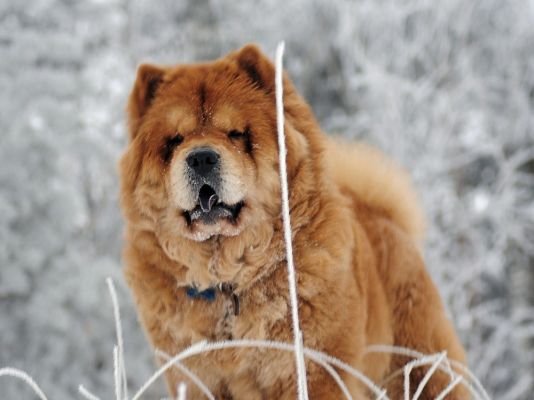
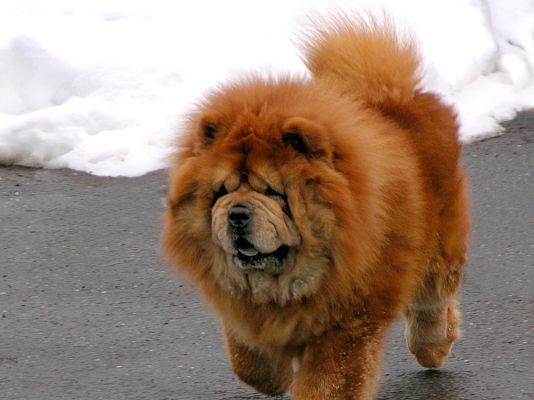
Imagine a dog that’s equal parts teddy bear and ancient guardian—that’s the Chow Chow! With their lion-like mane, stilted gait, and that iconic blue-black tongue, these dogs are walking pieces of history. But before you get lost in their fluffy charm, let’s unpack what makes this breed both enchanting and demanding.
Quick Snapshot
| Trait | Chow Chow |
|---|---|
| Height | 17–20″ (43–51cm) |
| Weight | 45–70 lbs (20–32kg) |
| Lifespan | 12–15 years |
| Coat | Thick double coat (rough/smooth) |
| Energy Level | Low to Moderate (40 mins daily) |
| Barking | Rare (quiet but alert) |
Looks & Coat Care
Chows are living teddy bears wrapped in fur—think “majestic fluff meets ancient warrior”:
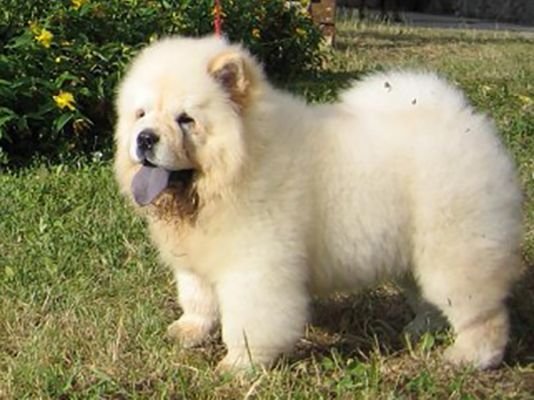
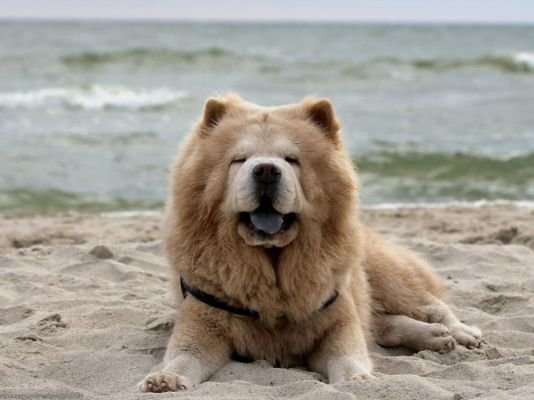
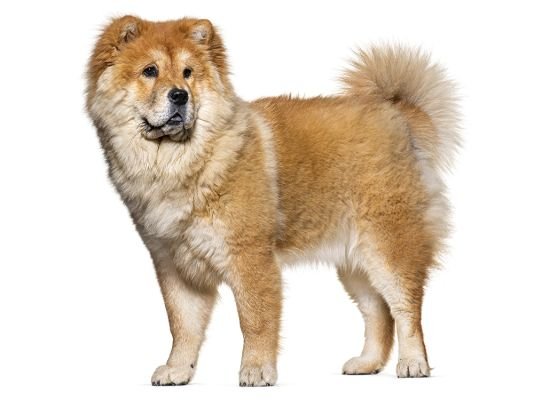
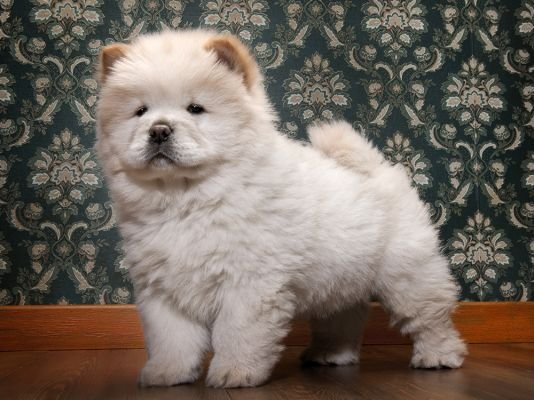
- Signature Style: Picture a square-built body, deep-set almond eyes, and that unforgettable blue-black tongue. Their coat comes in rough (think lion’s mane) or smooth (short but dense) varieties, with colors like red, black, cream, and blue.
- Grooming 101: Rough coats need daily brushing to avoid mats—use a slicker brush for the mane and a pin brush for the body. Smooth coats? Weekly sessions suffice. Pro tip: Invest in a good de-shedding tool during spring and fall shedding seasons.
- Bath Time: Every 6–8 weeks with moisturizing shampoo. Overbathing? Big no—it strips natural oils.
- Ear Alert! Those tiny triangular ears trap moisture. Clean weekly with vet-approved wipes to dodge infections.
Fun Fact: Their blue-black tongue isn’t just quirky—it’s a genetic rarity shared only with the Shar-Pei!
Personality: Cat-Like Royalty with a Loyal Streak
Chows are 70% “Independent Thinker”, 20% “Silent Protector”, 10% “Couch Potato”:
- Kid-Friendly? With older children who respect boundaries. Toddlers? Their tail-pulling enthusiasm might clash with Chow dignity.
- Pet Politics: Raised with dogs? Possible peace… same-sex pets? Risky. Early socialization is key to curb their alpha tendencies.
- Training Trick: Use praise over treats! Chows aim to please but won’t beg for snacks. Short, consistent sessions work best—think “sit” today, “stay” tomorrow.
Key Insight: Bred to guard palaces and hunt wolves, Chows carry a natural wariness. Strangers? They’ll judge silently from across the room. Family? Fiercely loyal but never clingy.
Pros & Cons
| Pros | Cons |
|---|---|
| Low-maintenance exercise needs | Heavy shedding (prepare for fur storms!) |
| Quiet and dignified indoors | Stubborn streak (training takes patience) |
| Loyal to family | Prone to hip dysplasia, eye issues |
Health & Nutrition
Diet Essentials:
- Adults: 2–2.5 cups high-quality kibble daily. Opt for formulas with glucosamine for joint health.
- Snack Hack: Frozen green beans (crunchy + low-cal!). Chows gain weight easily—no free feeding!
- Watch For: Entropion (eyelid rolling), bloat (split meals into smaller portions), and overheating (avoid midday walks in summer).
Exercise Musts:
- Morning sniffari walks (they’re scent detectives at heart!).
- Evening puzzle toys (hide treats in a muffin tin—mental gold!).
Spotting a Quality Chow
| Trait | Healthy Pick | Red Flags! |
|---|---|---|
| Eyes | Bright, no discharge | Cloudiness or excessive tearing |
| Movement | Smooth, no limping | Stiffness or reluctance to jump |
| Temperament | Curious but calm | Extreme shyness or aggression |
Ethical Breeder Checklist:
- Health clearances: Parents tested for hips, eyes (OFA/CERF), and DNA for hereditary issues.
- Meet both parents—should be aloof but not aggressive.
- Puppies raised in homes (exposed to varied noises/sights).
Final Thought
The Chow Chow isn’t just a pet—it’s a lifestyle. Ready for regal strolls, sofa snuggles, and a shadow who’ll guard your home with quiet intensity? Just remember: Their ancient roots demand respect. Skip this breed if you’re rarely home… but if you crave a loyal, big-hearted companion with a dash of mystery, you’ll gain a friend who’s as timeless as their blue-black tongue.
P.S. Rescue Tip: Check breed-specific rescues—some Chows need homes due to their strong-willed nature. Adopting one? That’s true nobility.
References
: Historical background and coat types.
: AKC breed standards and temperament insights.
: Health issues and exercise recommendations.
: Genetic traits and grooming details.
: Socialization tips and adoption considerations.